Hiring an interior designer in Delhi is one of the largest decisions you will make about your home, and the city gives you thousands of choices. Some are decorators who choose furniture. Some are contractors who also draw. A smaller number are design practices that plan, detail and supervise a home from bare structure to the last cushion.
Here is what working with a good interior designer in Delhi actually looks like, stage by stage, so you know what to expect and what to ask for.
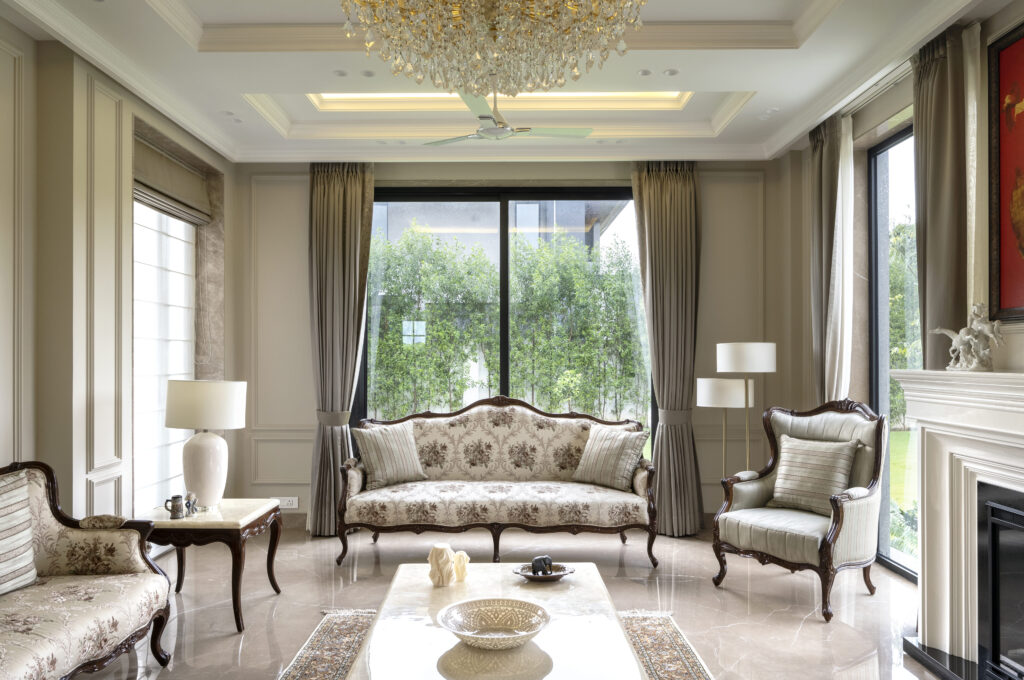
What an interior designer in Delhi should do for you
- Plan the space. Where each room goes, how people move, where the furniture sits, where the storage lives.
- Design the details. Joinery, ceilings, lighting, flooring, stone and every place two materials meet.
- Specify everything. Name the actual products, so nothing is swapped on site.
- Coordinate the trades. Carpenters, electricians, plumbers, stone fixers, painters and air-conditioning contractors all working from one set of drawings.
- Supervise. Check the work on site against the drawings.
- Finish the home. Furniture, fabrics, art and objects, so it feels lived in rather than simply complete.
If a designer offers only some of these, you will be managing the rest yourself.
How a project runs, from first call to handover
1. The first conversation
You share your floor plan, how your family lives and what you want from the home. A good designer asks more questions than they answer, and is honest about whether your brief and budget meet.
2. Measuring and planning
The designer measures the home and returns layout options. This is where the important decisions happen: which wall moves, where the bed goes, how the kitchen works.
3. Design development
Material palettes, views of key rooms, and physical samples of stone, timber and fabric, so you see the rooms before they are built.
4. Detail drawings and specification
Every drawing a contractor needs: joinery, electrical, ceilings, plumbing and finishes, with products named. Detailed enough that vendors can quote accurately and nothing is left to be decided on site.
5. Execution and supervision
The work happens on site while the designer checks it against the drawings and coordinates the trades, with one point of contact for you.
6. Styling and handover
Furniture placed, art hung, lighting balanced, and a handover file with drawings, warranties and supplier details.
What makes Delhi different
- The climate. Harsh summers, heavy monsoons and constant dust decide which materials survive. Some finishes that look perfect in a showroom fail here within two years.
- The housing. Kothis in South Delhi, builder floors across the city, farmhouses on the edge, and apartments in newer towers each need a different approach.
- The rules. Building bye-laws, society and RWA rules, and working hours all affect what can be done and when.
- The way families live. Multiple generations, staff, frequent hosting and festivals shape the plan more than in many other cities.
Questions to ask before you hire
- Who, by name, will design my home, and how many other projects are they handling?
- Can I see a full set of detail drawings from a completed project?
- Who checks the site, how often, and do I get it in writing?
- What exactly does your fee include, and what does it not?
- Will you work with a contractor I already trust?
- How many design revisions are included?
Signs you have found the right designer
- They want to understand how you live before talking about style.
- They show you plans and details, not only renders.
- They tell you something you did not want to hear, and explain why.
- They put scope, exclusions and fee stages in writing before any drawing begins.
- Their completed homes look different from one another, because each was designed for a different family.
When you need an architect as well
If you are building new, moving structural walls, changing the facade or adding a floor, you need an architect, not just an interior designer. A practice that offers both means the structure and the interiors are designed together, which saves the expensive moment when an interior designer asks for a wall to move after it is built.
What to prepare before you call
A little preparation makes the first meeting far more useful. Bring the floor plan, even a rough one, and photographs of every room. Write a short note on who lives in the home now and who might in five years, how often you host and how many people, who cooks, who works from home, and what you are keeping from your current home. Collect a few images of rooms you love, and a few you dislike, with a line on why. Decide a realistic budget range for the whole project, and when you need to move in. A designer can do much more with honest answers to these questions than with a mood board alone.
Frequently asked questions
How do I choose an interior designer in Delhi?
Shortlist three or four, brief them all the same way, and compare their drawings, scope, exclusions and site supervision, not just their photographs. Ask who will actually design your home.
What does an interior designer in Delhi charge?
Fees are structured in different ways: a percentage of project cost, a rate per area, or a fixed fee in stages. What matters is what the fee includes. Ask for scope and exclusions in writing.
How long does an interior project in Delhi take?
It depends on size and scope. Design usually takes a few months, and execution several more. Ask for a written programme with stage durations.
Should I hire a designer or a turnkey contractor?
A designer works for you and checks the work. A turnkey contractor designs and builds under one price. Both can work; the difference is who is checking quality on your behalf.
Can an interior designer work with my own contractor?
A good one can, as long as a full drawing set and specification are issued before pricing, so everyone works from the same information.
How we work
Pochē Aesthetics — also written Poche Aesthetics — is a luxury residential architecture and interior design practice in New Delhi, founded and led by architect Niyati Satsangi. Our homes in Delhi include Maison Grise, a farmhouse in Dera Mandi, and family residences in Vasant Vihar, South Extension and SDA. We plan, detail and supervise every home ourselves.
If you are looking for an interior designer in Delhi, tell us about your home. See also how to find an interior designer in Delhi, questions to ask before you hire, and our projects.
Read next: Interior Architect in Delhi: What They Do and When You Need One and Turnkey Interior Designer in Delhi: How to Choose One.
About Pochē Aesthetics
Pochē Aesthetics — also written Poche Aesthetics — is a luxury residential architecture and interior design practice based in Greater Kailash, New Delhi, founded and led by architect Niyati Satsangi. Over more than twelve years the practice has designed private homes — farmhouses, villas, builder floors and apartments — across Delhi NCR and India, handling architecture, interiors, materials, lighting and styling as one connected commission, alongside select restaurant and commercial work. More about the practice.