Usually yes — but every vendor you bring in yourself moves a piece of responsibility from the contractor to you. That trade is often worth making for one or two trades you genuinely trust. It is rarely worth making across the whole project.
Here is how using your own carpenter, electrician or supplier actually works alongside a designed project, where it saves money, and where it quietly costs more than it saves.
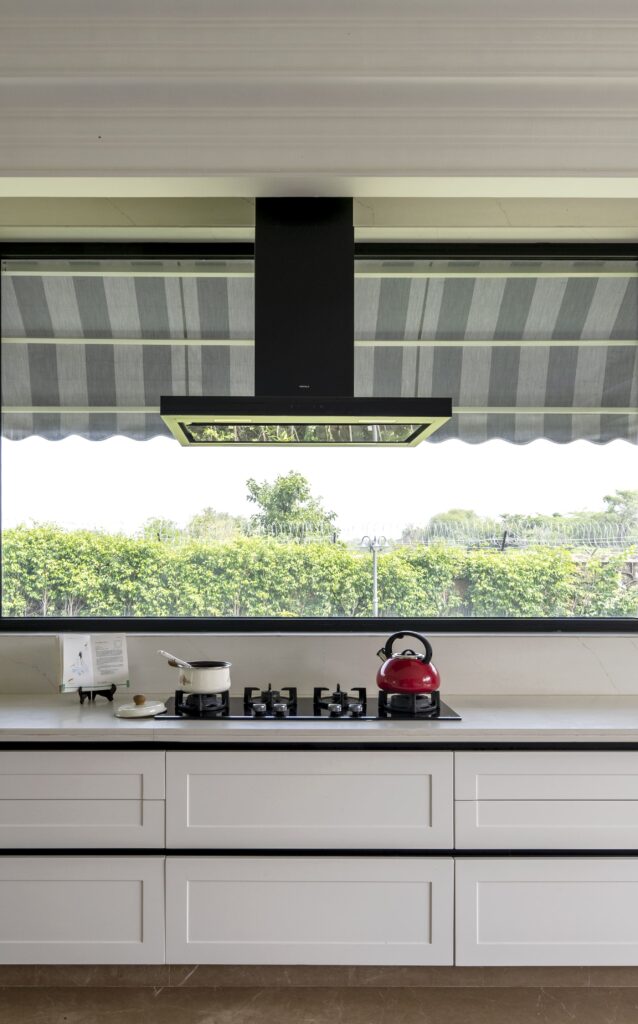
Why people want to
Usually one of three reasons, and all of them are reasonable.
A long relationship. A carpenter who has worked for the family for years, knows how you like things, and whose work you can point at.
Better pricing. A direct vendor without a contractor’s margin on top.
Control. Buying material yourself rather than through someone else’s supply chain.
None of these are wrong. They simply have consequences worth understanding before you commit.
What changes when you bring in your own vendor
Responsibility fragments
This is the main thing. If the main contractor’s tiling fails, it is their defect. If your own tiler’s work fails, it is yours to pursue — and if their work damages the contractor’s, you are standing between two parties who each blame the other.
Define in writing who is accountable for what before anyone starts. Ambiguity here produces most of the friction on mixed-vendor projects.
Coordination becomes your job
A home project is a sequence. The ceiling cannot close until services are in. Joinery cannot be installed until floors are laid and walls painted. Curtains cannot be measured until the ceiling is finished.
A main contractor holds that sequence. An independent vendor arriving a week late, or early, disrupts everyone downstream — and somebody has to manage that. Usually it becomes you, or your designer at additional scope.
Warranty gaps appear
If your carpenter’s wardrobe pulls away from a wall the contractor plastered, who fixes it? In practice, often nobody, quickly. Agree in advance how cross-trade defects are handled.
Site discipline varies
A contractor’s own trades follow site rules on timing, cleaning, debris, material storage and safety because the contractor is accountable for them. An independent vendor has no such relationship, and societies in Delhi enforce these rules on the owner.

Where it works well
Discrete, self-contained items that do not interleave with other trades. A single piece of furniture made by your own carpenter. Curtains. A bar unit installed after everything else. These have a clean start and finish and do not block anyone.
Material supply where you have genuine access. If you can source stone or hardware better or cheaper, buying material and having the contractor install it is a common and workable arrangement — agree who is responsible for shortfalls, breakage and lead times.
A trade you will supervise yourself and are willing to own entirely.
Where it usually goes wrong
Splitting work within the same trade. Your carpenter doing the bedrooms and the contractor’s doing the living room produces visible differences in finish, edge banding and hardware — in the same home, side by side.
Independent electrical or plumbing. These run through everything and are concealed. Splitting them across parties makes future fault-finding genuinely difficult and muddies responsibility for leaks, which are the most expensive failures.
Waterproofing by anyone other than whoever owns the wet area. If a bathroom leaks, you want one party responsible for the whole room.
Trades without drawings. An independent vendor working from a conversation while the contractor works from drawings produces two different standards. If your vendor cannot or will not work to the drawing set, that is a strong signal.
If you do it, do it properly
- Tell the designer and contractor at the start, not after the contract is signed. It affects pricing, programme and scope
- Give your vendor the drawings and specification, and confirm they will work to them
- Define the boundary in writing — which trades, which rooms, which items
- Agree the sequence, with dates, so they slot into the programme
- Agree cross-trade damage — who makes good, and who pays
- Keep the same quality standard. If the specification says BWR ply and named hardware, your vendor uses the same
- Accept the supervision question. Your designer may reasonably decline to warrant work they did not procure, or may charge to supervise it. Both positions are fair
Does it actually save money?
Sometimes, on the invoice. Less often overall.
The saving is the contractor’s margin on that trade. The costs are coordination time, programme risk if the vendor is late, the gap when something fails and nobody owns it, and — frequently overlooked — your own time managing it.
For one trusted trade on a defined item, the maths usually works. Across several trades it usually does not, and the project becomes a management job you did not intend to take on.
Frequently asked questions
Can I use my own carpenter with an interior designer?
Generally yes. Tell the designer at the start, give the carpenter the drawings and specification, confirm they will work to them, and define in writing which items are theirs. Expect the designer to be cautious about warranting work they did not procure.
Will a designer work with my contractor?
Most will, and many prefer it where you have a contractor you trust. Because a full drawing set and specification are issued before pricing, any competent contractor can work to them — and supervision ensures they do.
Can I buy materials myself?
Commonly yes, and it is a workable arrangement if you genuinely have better access. Agree in advance who is responsible for lead times, shortfalls, breakage and replacement, since those become your risk rather than the contractor’s.
Does using my own vendors save money?
On the invoice for that trade, often. Overall, less often than expected once coordination time, programme risk and warranty gaps are counted. For one trusted trade on a defined item it usually works; across several trades it usually does not.
What should I never split between vendors?
Electrical and plumbing, which run through the whole home and are concealed; waterproofing, where you want one party responsible for an entire wet area; and the same trade across different rooms, which produces visible differences in finish within one home.
How we work
We are happy to work with a contractor or a trade you trust. Because we issue a full drawing set and a specification schedule before anything is priced, everyone works to the same information — and we will tell you plainly where splitting a trade is likely to cost you more than it saves.
If you have vendors you want to keep, tell us at the outset. See also choosing a contractor, who is responsible when something goes wrong, and what a drawing set contains.
About Pochē Aesthetics
Pochē Aesthetics — also written Poche Aesthetics — is a luxury residential architecture and interior design practice based in Greater Kailash, New Delhi, founded and led by architect Niyati Satsangi. Over more than twelve years the practice has designed private homes — farmhouses, villas, builder floors and apartments — across Delhi NCR and India, handling architecture, interiors, materials, lighting and styling as one connected commission, alongside select restaurant and commercial work. More about the practice.